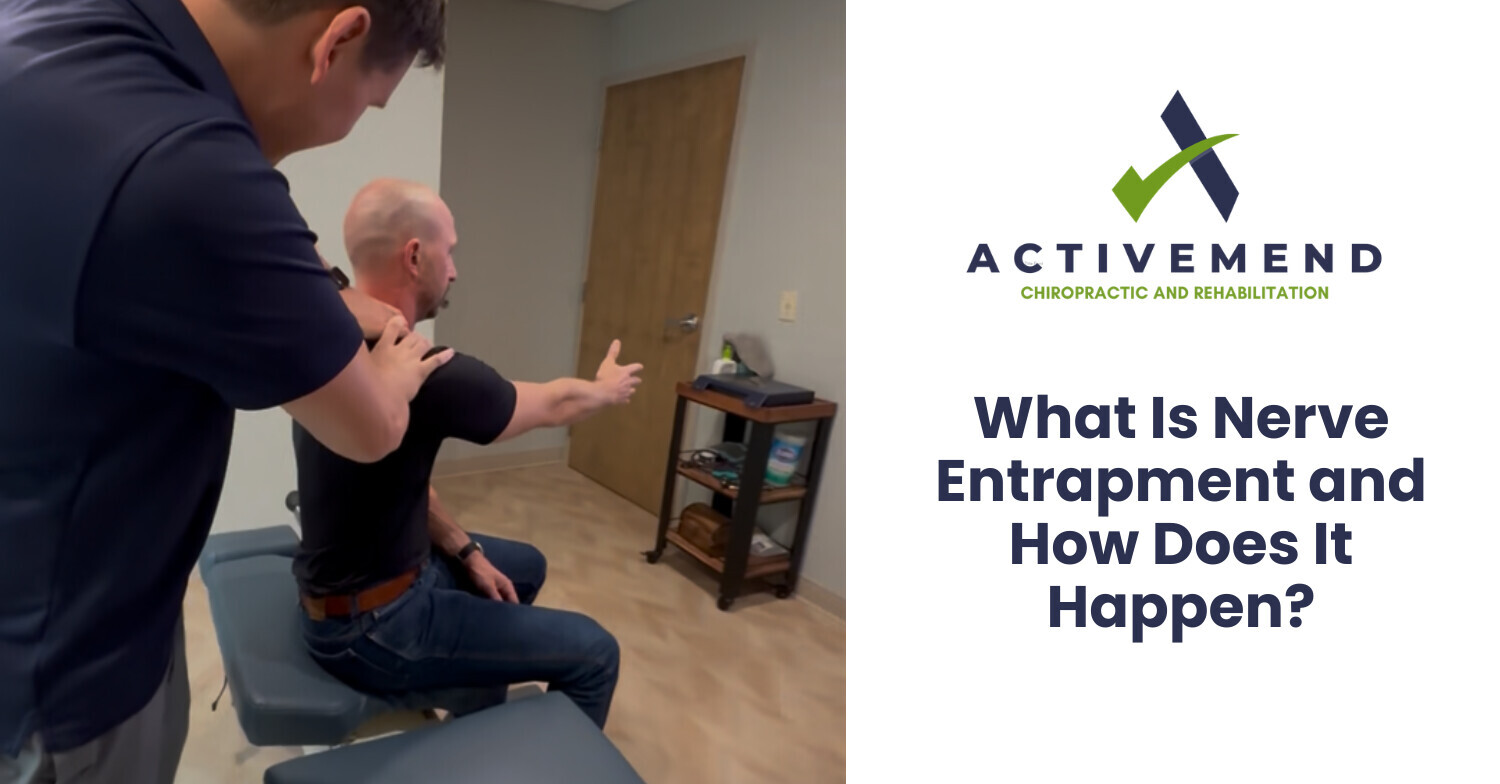
If you have ever felt burning, tingling, numbness, or sharp pain that seems to travel through your body, you may be dealing with nerve entrapment.
This condition is more common than most people think and is often mistaken for muscle tightness or general pain.
Lets break down what nerve entrapment is, how it happens, and what you can do about it.
What Is Nerve Entrapment?
Nerve entrapment occurs when a nerve becomes compressed, irritated, or restricted by surrounding structures.
These structures can include:
- Muscles
- Tendons
- Ligaments
- Fascia
- Joint structures
When a nerve cannot move or glide properly, it becomes irritated, leading to pain and other symptoms.
Common Symptoms of Nerve Entrapment
Nerve-related pain often feels different from muscle soreness.
You may experience:
- Tingling or pins and needles
- Numbness
- Burning sensations
- Sharp or shooting pain
- Weakness in a specific area
- Pain that travels or radiates
Symptoms often follow the path of the affected nerve.
How Does Nerve Entrapment Happen?
Nerve entrapment usually develops over time due to repetitive stress, poor movement patterns, or tissue restriction.
1. Tight or Overworked Muscles
When muscles become tight or overused, they can compress nearby nerves.
This is especially common in the:
- Neck
- Shoulders
- Hips
2. Scar Tissue and Adhesions
After injury or chronic overuse, scar tissue can form within soft tissues.
This can limit how a nerve moves and glides, leading to irritation.
3. Poor Posture
Positions such as:
- Forward head posture
- Rounded shoulders
- Prolonged sitting
can place stress on nerves over time.
4. Repetitive Movements
Performing the same motion repeatedly, such as typing, lifting, or certain sports activities, can create irritation and inflammation around nerves.
5. Joint Restrictions
When joints are not moving properly, mechanics change and can contribute to nerve irritation.
Common Types of Nerve Entrapment
Some well-known examples include:
- Carpal tunnel syndrome (wrist and hand)
- Sciatica (low back and leg)
- Thoracic outlet syndrome (neck, shoulder, and arm)
However, nerve entrapment can occur almost anywhere in the body.
Why Nerve Entrapment Often Does Not Go Away on Its Own
Unlike simple muscle soreness, nerve issues often persist because:
- Compression remains present
- Movement patterns have not changed
- Tissue restrictions remain
This is why symptoms may:
- Come and go
- Worsen with activity
- Spread to other areas
How to Treat Nerve Entrapment
Effective treatment focuses on removing the source of compression and restoring normal movement.
Reduce Tissue Restrictions
Techniques such as Active Release Techniques (ART) can help release tight muscles and improve nerve mobility.
Restore Joint Motion
Chiropractic adjustments can improve joint function and reduce stress on surrounding nerves.
Improve Movement Patterns
Correcting how your body moves can help prevent ongoing irritation.
Strengthen Supporting Muscles
Building stability helps reduce strain on affected areas.
Address Chronic Tissue Issues
In some cases, Extracorporeal Shockwave Therapy may help improve tissue quality and support healing.
When Should You Get Checked?
Consider an evaluation if you experience:
- Persistent tingling or numbness
- Pain that travels down an arm or leg
- Symptoms that worsen with certain movements
- Weakness in a specific area
The earlier nerve issues are addressed, the easier they are often to treat.
How We Help at ActiveMend
At ActiveMend Chiropractic and Rehabilitation, we identify the cause of nerve irritation, not just the symptoms.
Your care plan may include:
- Movement and posture assessment
- Chiropractic adjustments
- Soft tissue treatment using ART
- Rehabilitation exercises to improve stability
- Targeted treatment to relieve nerve pressure
Our goal is to restore normal movement and address the source of irritation.
Ready to Get Rid of Nerve Pain?
Nerve pain can be frustrating, especially when it keeps coming back or spreads to other areas.
Schedule Your Appointment
Schedule an appointment at ActiveMend Chiropractic and Rehabilitation to find out what is causing your symptoms and how to address them.
Call us at 234-294-0174 or book online.
Do not ignore nerve symptoms. Address them early and get back to feeling your best.